
Grate waste incinerator 50 t/h
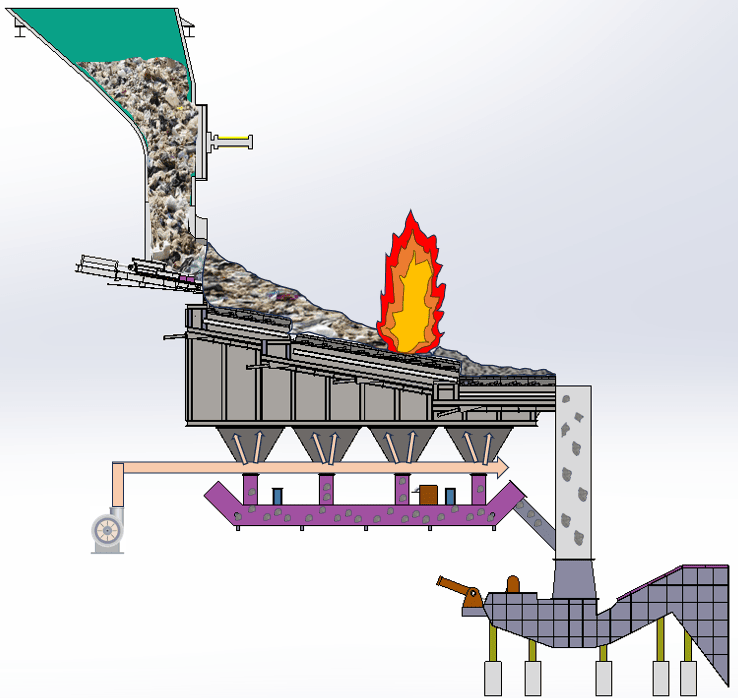
Process flow diagram
Main equipment
Hopper and feeder
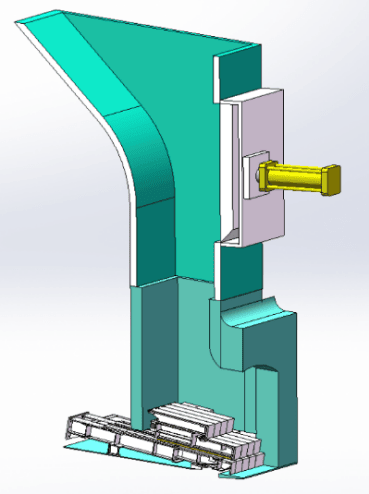
The feeding system consists of a hopper and a feeder. The hopper is fitted with a gate that provides a seal while also serving a bridge-breaking function: when waste clumps together and bridges, blocking the hopper, the gate moves to break the bridge. The feeder and gate are driven by hydraulic cylinders. Through periodic reciprocating push-and-pull motion, a set amount of waste is pushed into the incinerator, and the feeder speed can be adjusted according to the incinerator load.
|  |
|  |
|  |
|
|—|—|—|
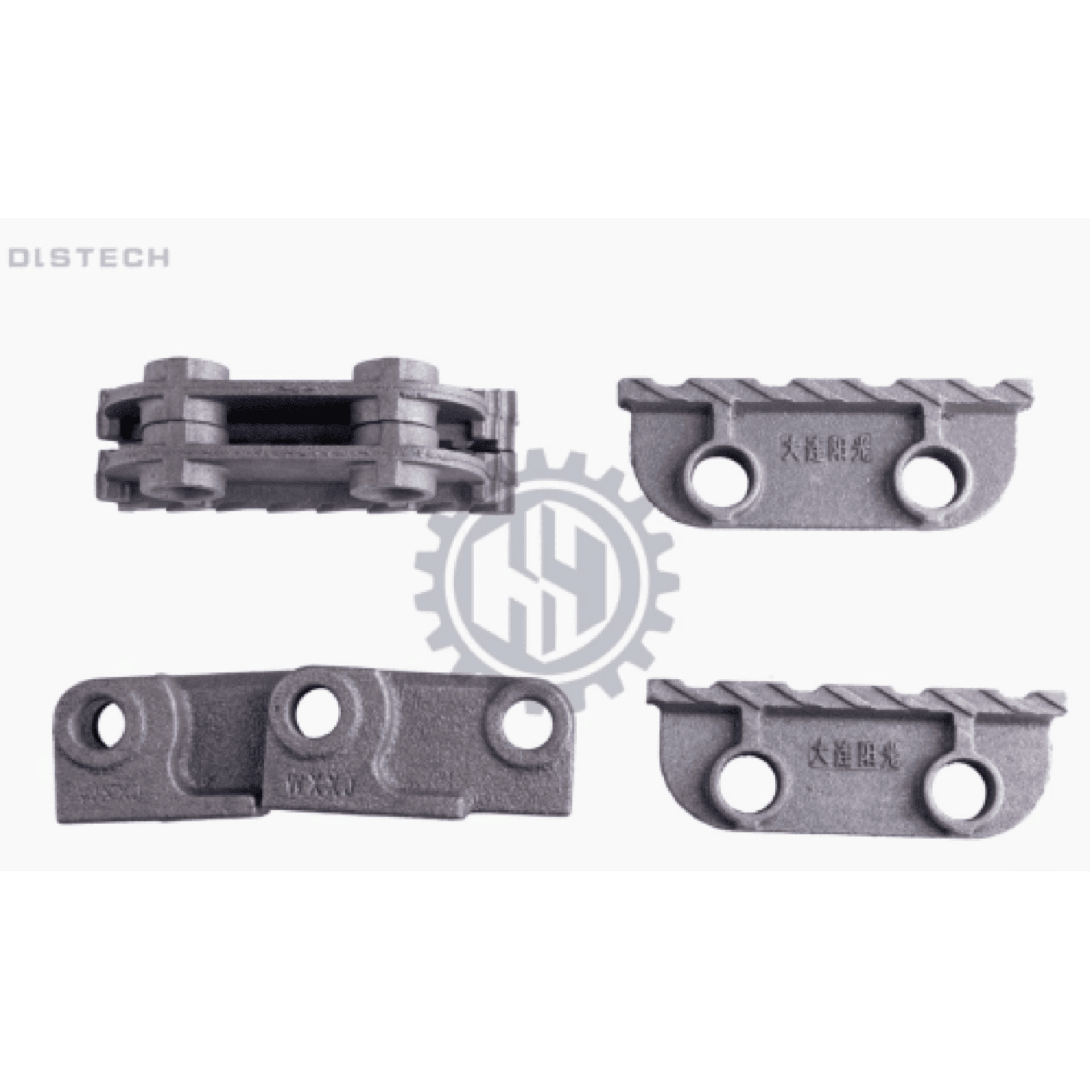
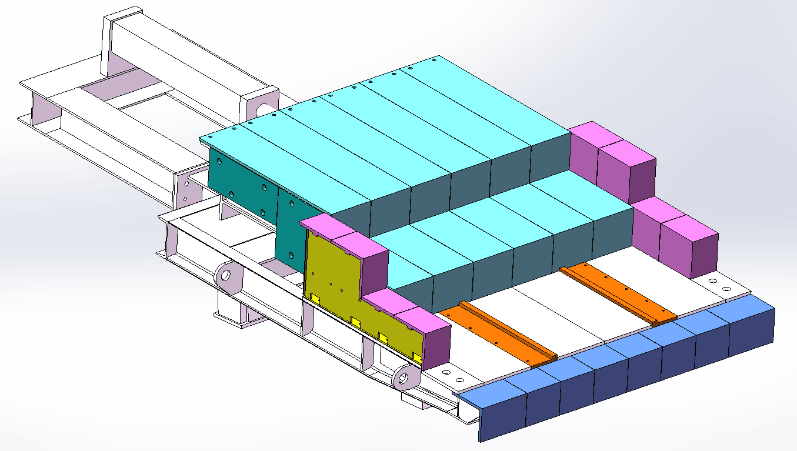
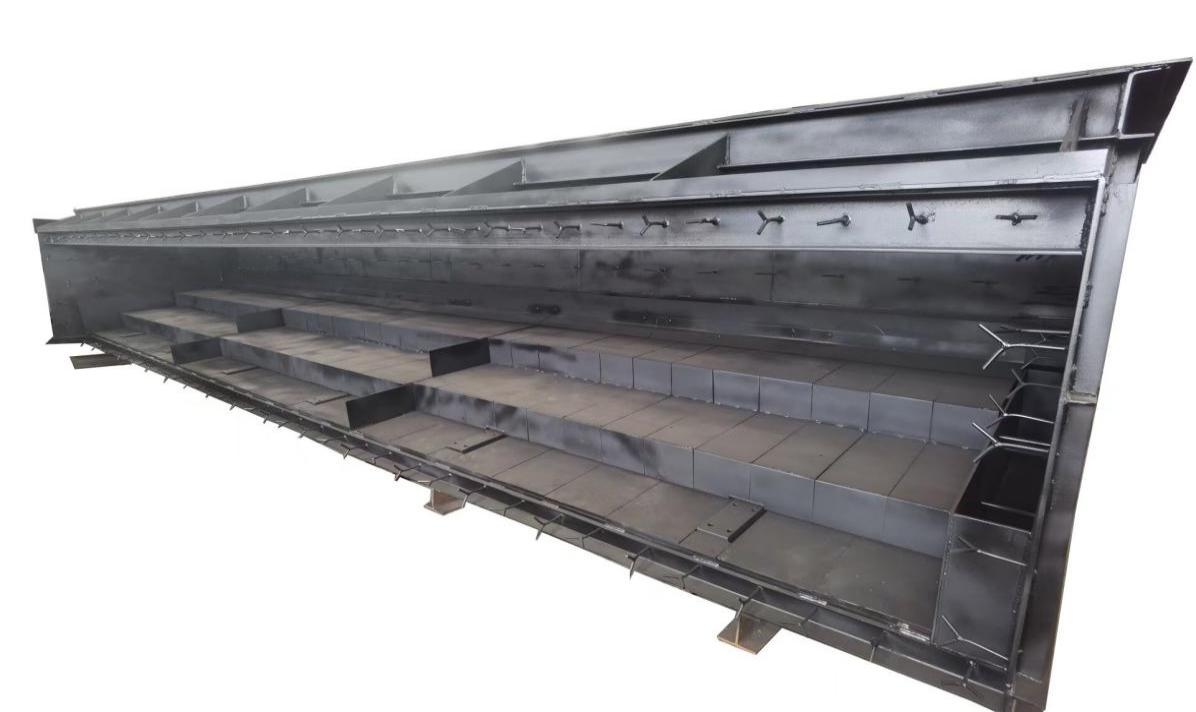
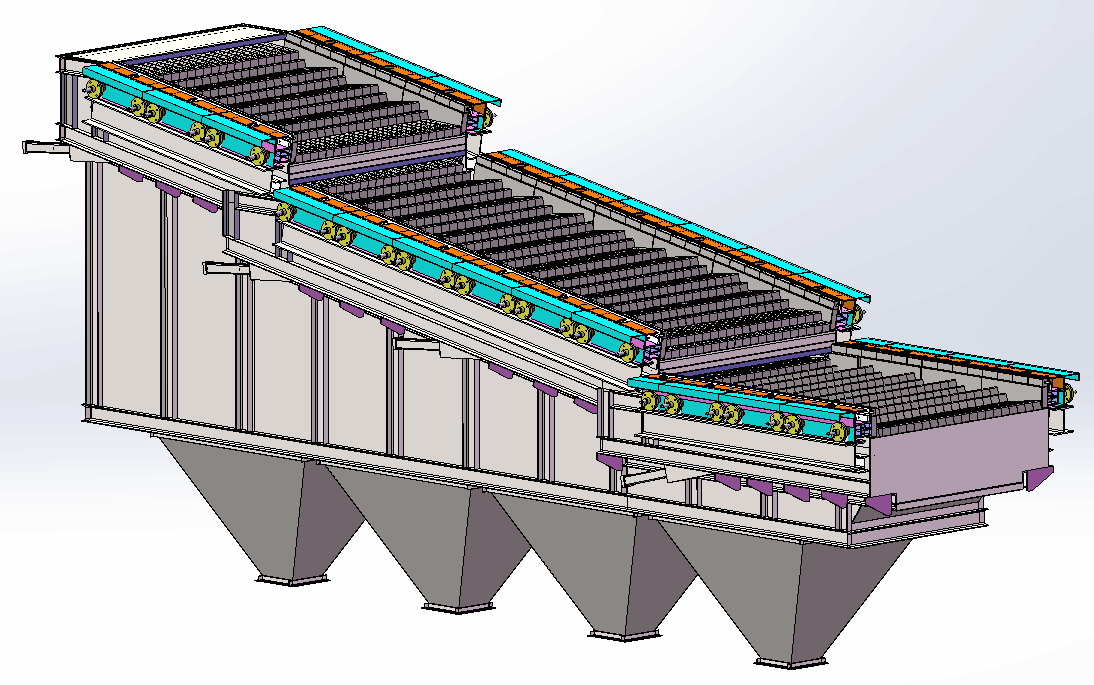
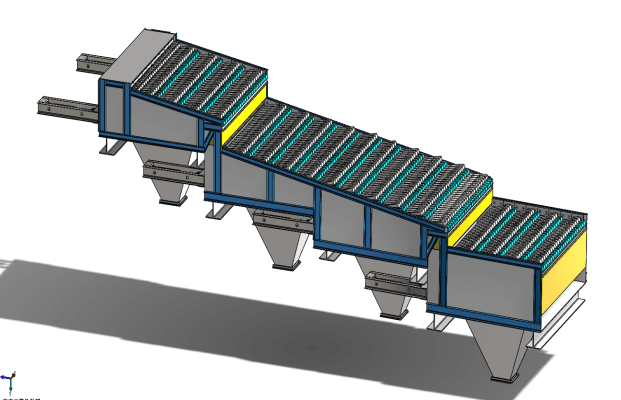
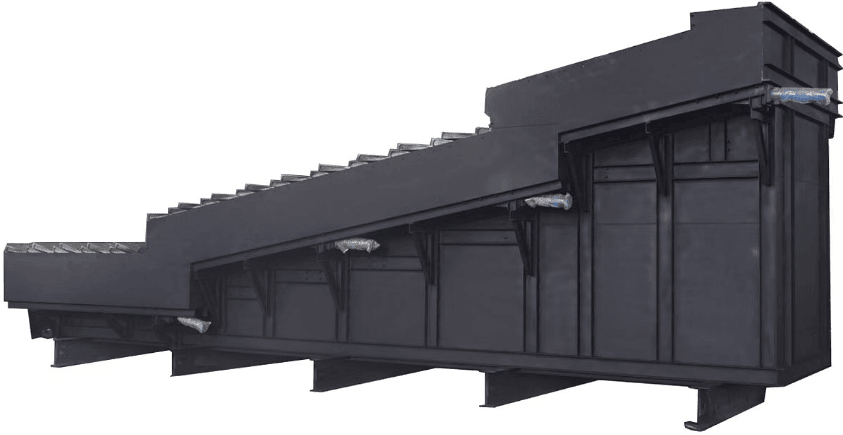
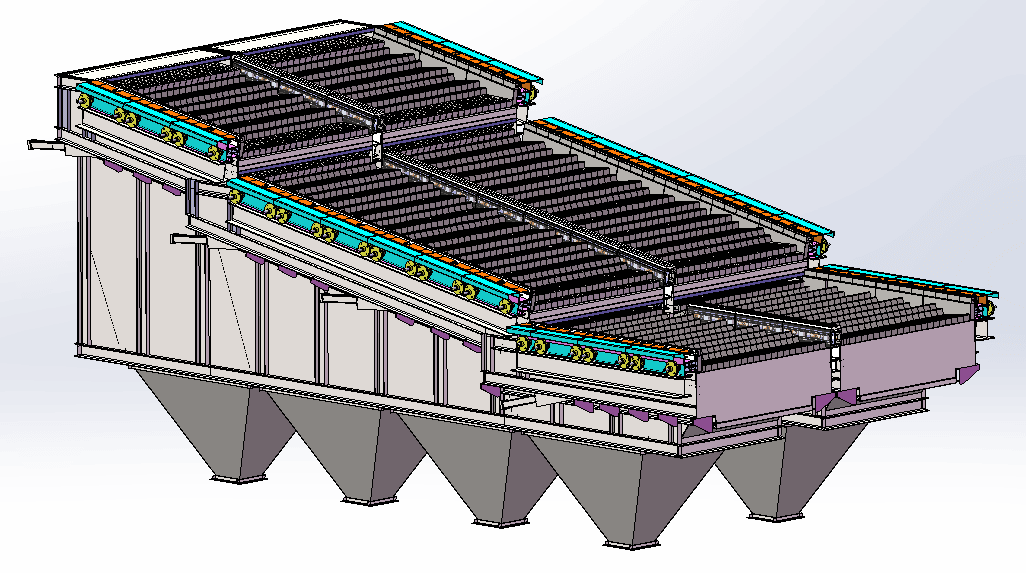
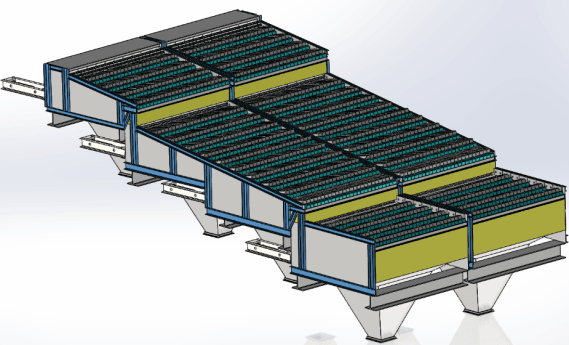
The waste incineration grate is a forward-push, stepped, inclined reciprocating grate. The grate is divided into three stages — drying, combustion, and burnout — with a height difference between each section. As waste falls, it is scattered and broken up, which moves the waste along while preventing the clumping that would cause incomplete combustion. The grate is driven by hydraulic cylinders, and the three sections can be controlled independently so that their movement cycles can be adjusted separately according to the combustion conditions in the furnace. The grate is cast from heat-resistant cast steel, giving it good wear resistance, high-temperature resistance, and corrosion resistance.
|  |
|  |
|  |
|  |
|  |
|
|—|—|—|—|—|
Grate
Ash conveyor and slag remover
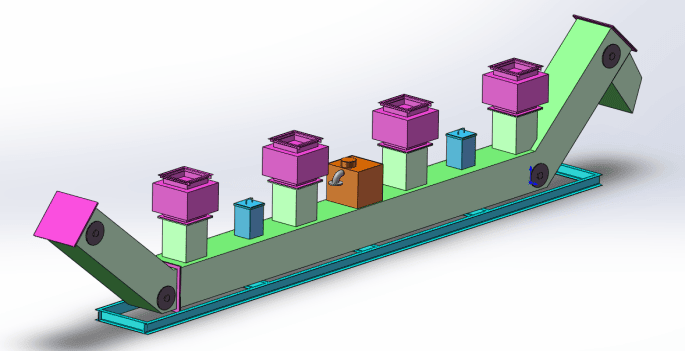
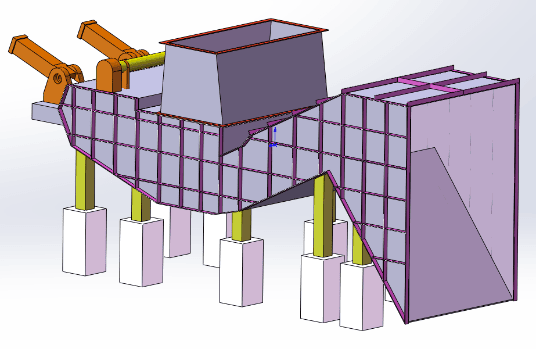
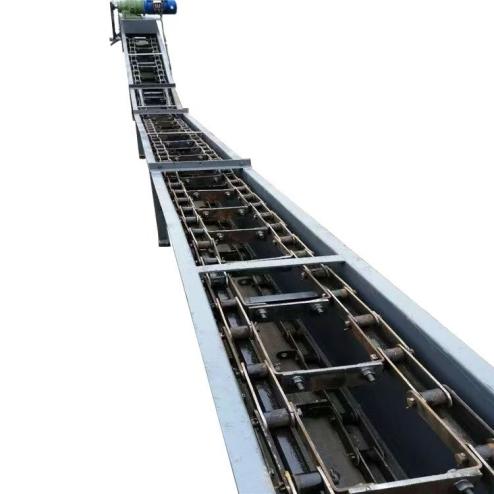
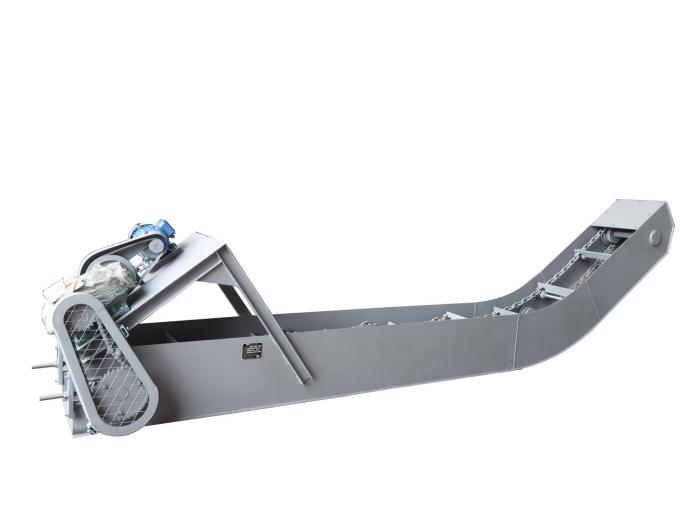
The ash and slag system consists of a hopper beneath the grate (which also serves as the air compartment), a horizontal ash conveyor, and a slag remover. The small amount of fine ash produced after complete waste combustion falls through the grate gaps into the hopper and then collects in the horizontal ash conveyor. The main ash and slag from combustion is pushed by the burnout-stage grate into the slag drop hopper, and then enters the wet slag remover together with the fine ash. All ash and slag is sent by the slag remover into the slag pit.
|  |
|  |
|  |
|  |
|
|—|—|—|—|
Ash conveyor and slag remover
Process features
Simple structure, easy operation, and convenient maintenance;
The grate is resistant to high temperature, corrosion, and wear, with a low replacement rate;
The grate distributes air evenly, so waste burns uniformly;
Complete waste combustion with a loss-on-ignition of ≤5%;
Modular equipment that is easy to install, with a short construction period;
The equipment is fully automated.