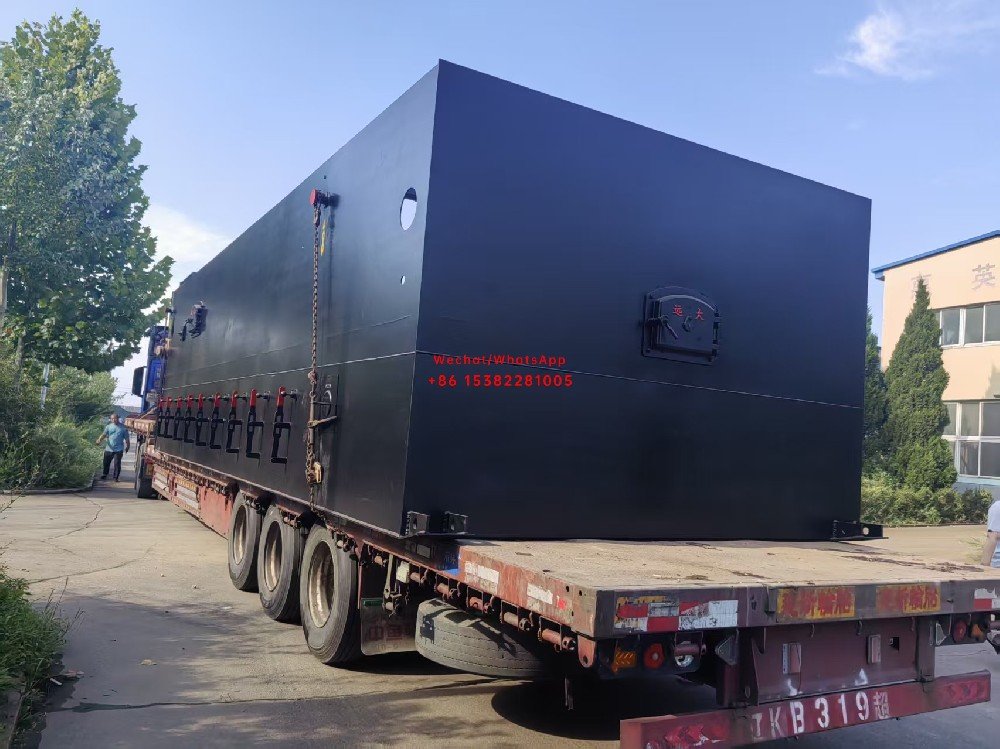

Features and Advantages of Reciprocating Grates
The reciprocating grate is a commonly used boiler combustion device with the following features and advantages:
Structural Features
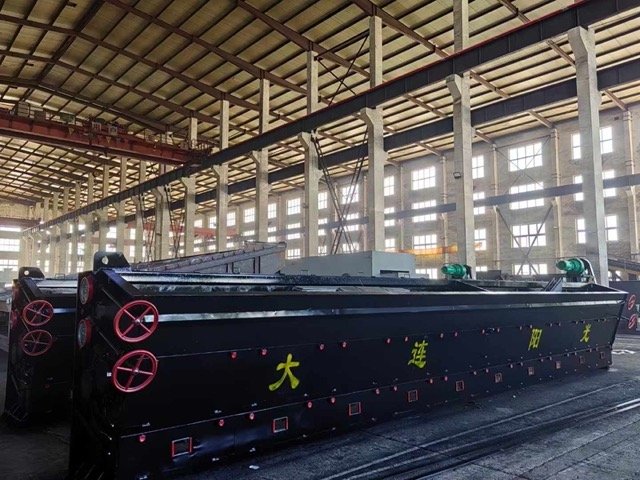
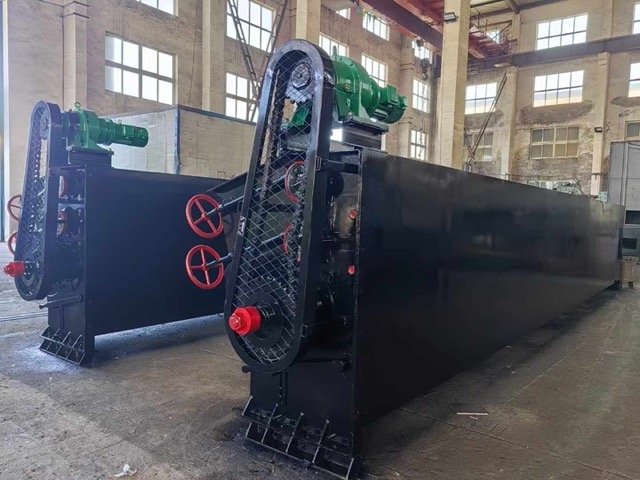
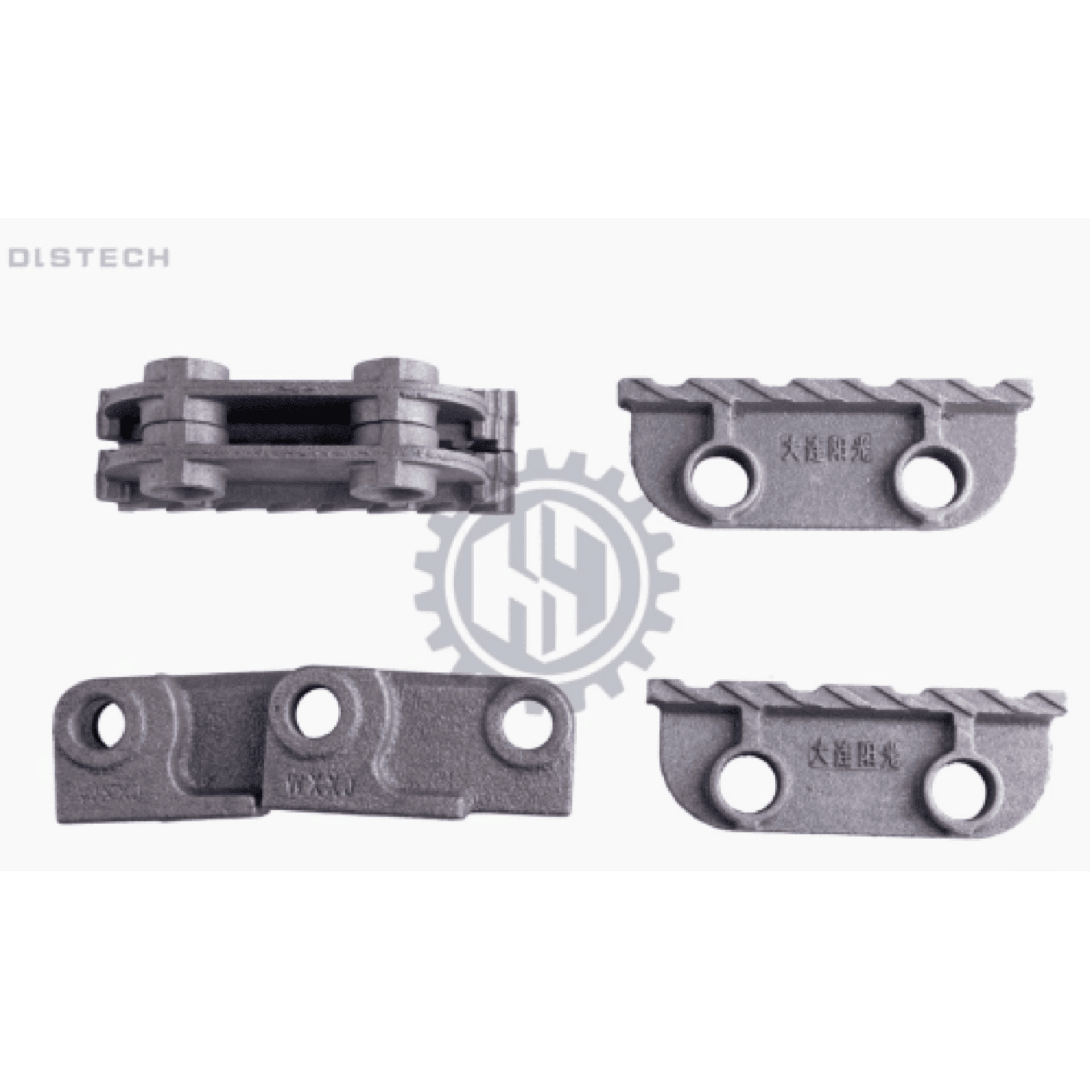
Grate bar arrangement: A reciprocating grate consists of alternating fixed and moving grate bars arranged in a clear stepped pattern with a slight incline, generally between 15° and 30°, which lets fuel move downward under its own weight and the motion of the grate.
Ventilation gaps: There are longitudinal gaps between the grate bars and transverse gaps between each layer, forming good ventilation passages. With an open-area ratio of roughly 7%–12%, air enters the fuel bed evenly, supplying ample oxygen for combustion.
Drive mechanism: An electric motor turns an eccentric wheel that drives push-pull rods connected to the frame, making the moving grate bars travel back and forth with the moving frame. The stroke is about 30–100 mm and the reciprocating frequency around 1–5 times per minute, adjustable by changing the motor speed.
Combustion Characteristics
Strong fuel adaptability: The reciprocating grate adapts well to many different types and grades of fuel, such as low-grade coal and biomass. Even for fuels that are strongly caking, high in ash, and hard to ignite, it still achieves good combustion, whereas a chain grate struggles with such fuels.
Good ignition conditions: The relative motion between the grate and the fuel pushes some fresh fuel onto the glowing, already-burning fire bed below, deliberately improving ignition conditions. Meanwhile, on its return stroke the moving grate rakes some ignited coal particles back to the bottom of the unburned fuel layer, where they serve as an ignition source for the underlying fuel and help the fuel ignite quickly and burn stably.
High combustion intensity: The fuel bed is continually loosened by the raking action of the moving grate, improving permeability and promoting disturbance of the burning bed. In addition, the ash crust on the outside of coke lumps and fuel pieces is crushed or shed by the squeezing and tumbling, greatly increasing the contact area between fuel and air. This intensifies combustion, raises combustion intensity, and reduces the heat loss from chemical and mechanical incomplete combustion.
Staged combustion: Combustion of the fuel on the grate proceeds in stages along the grate’s length, so air can be supplied in stages. More air is fed to the middle of the grate, with correspondingly higher air pressure, while the front and rear sections receive less. At the same time, well-placed secondary air strengthens the disturbance and mixing of the in-furnace gas flow, so the combustible gases produced at the front of the grate pass over the high-temperature combustion zone and mix well with the excess air rising from the burnout zone to burn out further, raising combustion efficiency.