
Design Principles of Cross-beam Grates and Their Application in Boiler Auxiliary Production
The cross-beam grate is an important piece of equipment in boiler auxiliary machinery, and its design principles and application play a key role in boiler production. In this article, we discuss the design principles of cross-beam grates and their application in boiler auxiliary production, and gain a deeper understanding of their importance in improving efficiency and reducing emissions.

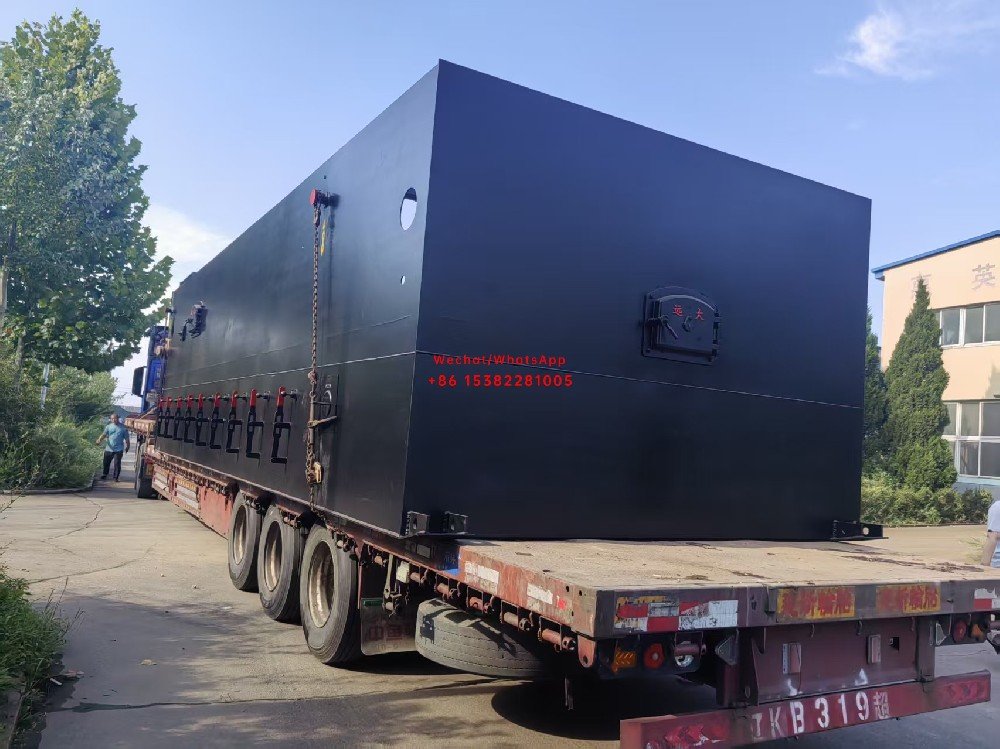
Columbia 45-ton cross-beam grate site
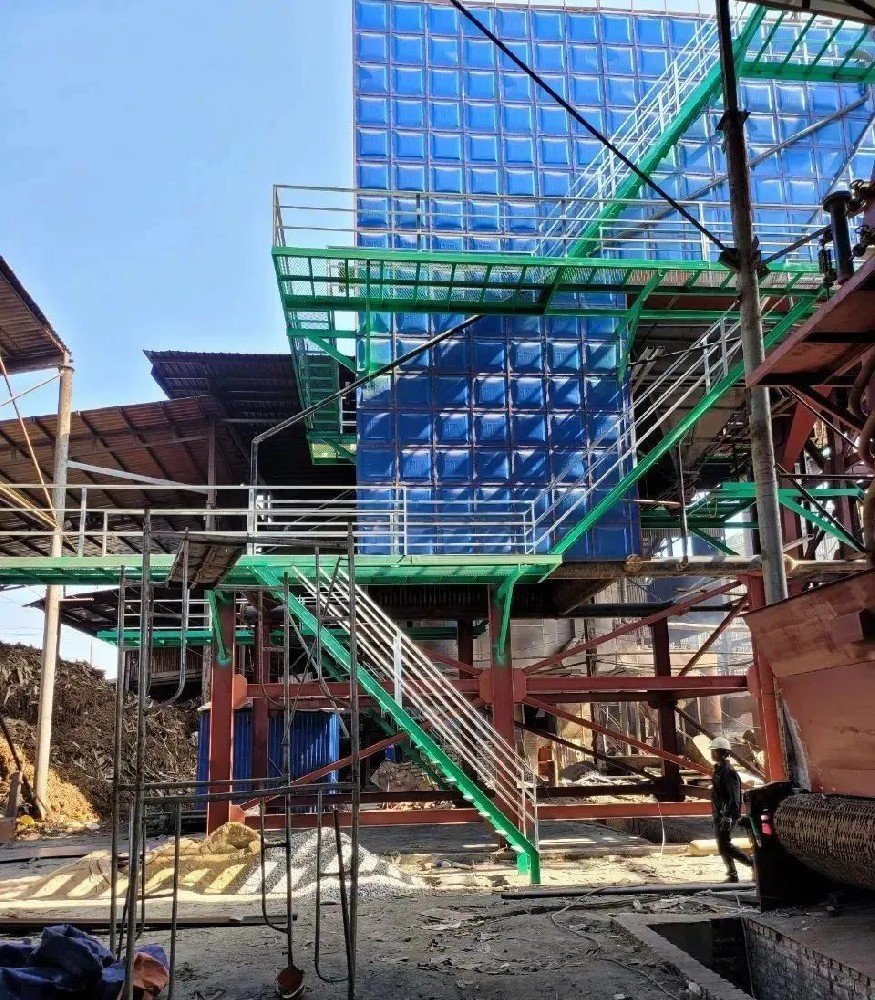
Vietnam 20-ton segmented reciprocating grate site
First, the design principle of a cross-beam grate is to ensure that fuel burns fully during combustion while maintaining a constant temperature in the furnace chamber. To achieve this goal, the grate design must take into account factors such as the type of fuel, the fuel particle size, and the size of the combustion chamber. In addition, the structural design must account for the effects of the high temperatures and corrosive gases generated during combustion, so that the grate has good durability and stability. Cross-beam grates are very widely used in boiler auxiliary production. First, they effectively control the oxygen supply during combustion, thereby improving combustion efficiency. Second, they recover the heat from the flue gas generated during combustion, further boosting the boiler’s energy efficiency. In addition, cross-beam grates reduce the pollutant emissions produced during combustion, playing a positive role in environmental protection. The design and application of cross-beam grates are of great significance in the boiler industry. Through sound design and application, combustion efficiency and energy efficiency can be improved and emissions reduced, achieving the goals of environmental protection, energy conservation, and emission reduction. In the future, as technology advances and processes improve, the design and application of cross-beam grates will become even more advanced and efficient.