
What Technologies Can Reduce Pollutant Emissions from Waste Incinerators?
Combustion Optimization Technologies
Oxygen-enriched combustion: Increasing the oxygen concentration makes the waste burn more completely, raising combustion efficiency and reducing products of incomplete combustion such as carbon monoxide, while also cutting emissions of gases like carbon dioxide and effectively reducing the amount of slag produced.
Air-staged combustion: The combustion air is fed into the furnace in stages so combustion takes place in zones with different oxygen concentrations. In the initial stage, less air is supplied, making the waste burn in an oxygen-poor environment that creates a reducing atmosphere and suppresses nitrogen-oxide formation. In later stages, sufficient air is added to ensure complete combustion and reduce emissions of carbon monoxide and volatile organic compounds.
Flue-gas recirculation: Part of the flue gas is reintroduced into the furnace to lower the oxygen concentration in the combustion zone and thereby suppress nitrogen-oxide formation. Recirculation also lengthens the residence time of the flue gas in the furnace, making the waste burn more fully and reducing the emission of unburned matter.
Flue-Gas Cleaning Technologies
Dust removal: High-efficiency dust collectors such as bag filters and electrostatic precipitators effectively remove particulates from the flue gas, keeping the emitted particulate concentration well below national limits and reducing pollution of the atmosphere.
Acid-gas removal: Wet desulfurization (e.g., the limestone–gypsum process), dry methods (e.g., injecting hydrated lime powder), or semi-dry methods remove acid gases such as sulfur dioxide and hydrogen chloride from the flue gas, lowering the risk of acid rain and reducing acidic pollution of the environment.
DeNOx: Selective catalytic reduction (SCR) and selective non-catalytic reduction (SNCR) are common methods. Reducing agents such as urea solution or ammonia are injected into the flue gas and, under the action of a catalyst, convert nitrogen oxides into nitrogen and water, cutting NOx emissions.
Activated-carbon adsorption: Activated carbon adsorbs harmful substances such as dioxins and heavy metals from the flue gas, effectively removing these persistent organic pollutants that are hard to degrade and ensuring the emitted flue gas meets strict environmental standards.
Pyrolysis Technologies
Low-temperature pyrolysis: At relatively low temperatures and under oxygen-free or oxygen-poor conditions, the organic matter in waste undergoes thermal decomposition into usable energy and a small amount of residue. This technology markedly reduces the formation of harmful substances, avoids pollutants such as dioxins that can form during high-temperature combustion, and lowers the amount of fly ash produced.
Pyrolysis gasification: The waste is pyrolyzed and gasified at high temperature to produce combustible gas and solid residue. The combustible gas can be recovered and used as energy, while the solid residue is relatively low in harmful substances and, after further treatment, can be safely landfilled or recycled. Because the conditions during pyrolysis gasification are relatively mild, pollutant formation and emissions can be effectively controlled.
In-Furnace Treatment Technologies
Adding inhibitors: Adding suitable inhibitors such as limestone or dolomite during incineration reacts with the acid substances in the waste to reduce acid-gas emissions. Some inhibitors can also immobilize heavy metals, lowering their content in fly ash and reducing the risk of heavy-metal pollution.
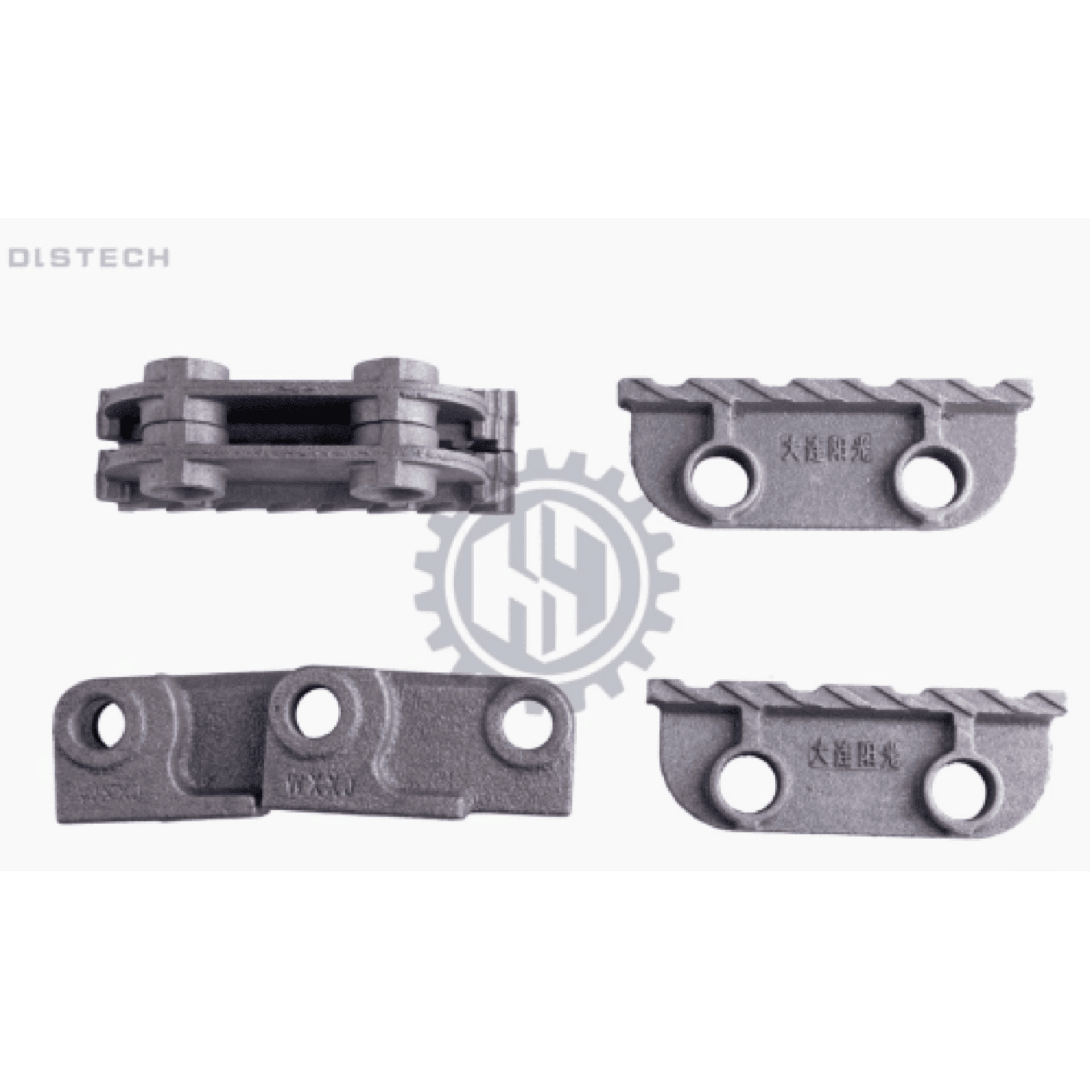
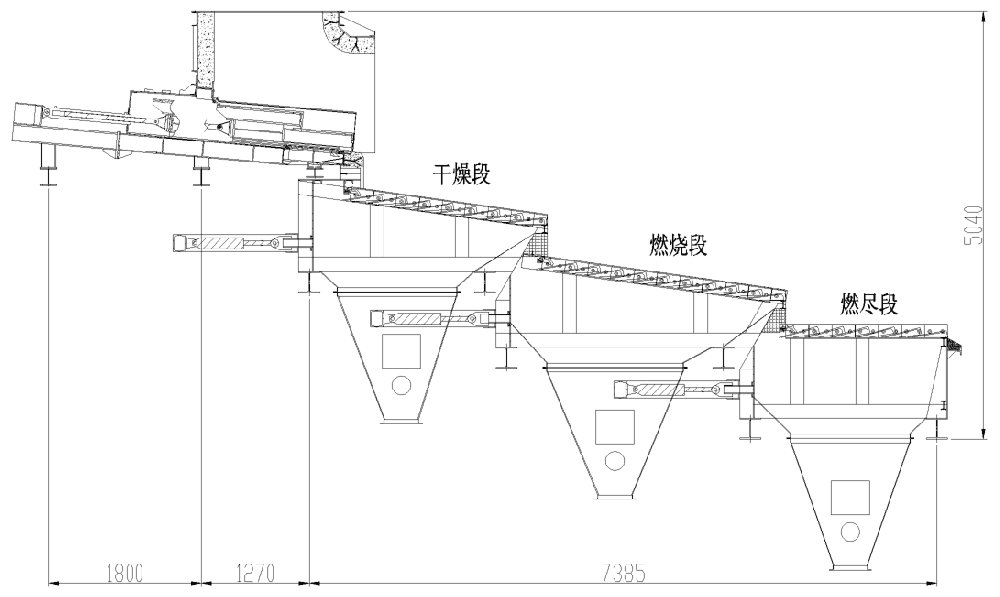
Optimizing the grate design: Advanced grate structures and materials improve how the waste burns in the furnace, letting the waste contact air fully, raising combustion efficiency, and reducing products of incomplete combustion. For example, double-deck grate or fluidized-bed designs allow the waste to be turned over and burned more thoroughly, lowering pollutant emissions.
On-Line Monitoring and Automated Control Technologies
On-line monitoring system: A continuous emission monitoring system (CEMS) tracks the indicators of the flue gas produced during incineration in real time, such as the concentrations of particulates, sulfur dioxide, nitrogen oxides, carbon monoxide, and dioxins, as well as the flue-gas temperature, flow, and oxygen content. The monitoring data give timely insight into the incinerator’s operating condition and pollutant emissions, providing a basis for adjusting operating parameters and taking control measures.
Automated control system: Modern sensors, controllers, and computer technology enable automated control of the incinerator. Based on the on-line monitoring data and preset control strategies, the system automatically adjusts operating parameters such as furnace temperature, oxygen content, and feed rate, keeping the incinerator in optimal operation, raising combustion efficiency, and reducing pollutant formation and emissions.
|  |
|
|—|
70 t/d MSW incinerator grate