
How to Improve the Combustion Efficiency of Grate Incinerators?
Here are some ways to improve the combustion efficiency of grate incinerators:
Waste Pre-treatment
Reduce moisture content: Moisture can be drained by pre-fermenting the waste in piles, lowering its moisture content and raising its lower heating value so the waste ignites more easily and burns more efficiently.
Control particle size: Crush and screen the waste so the particles are uniform and suitably sized. This enlarges the contact area between the waste and air, promotes complete combustion, and avoids uneven burning caused by inconsistent particle sizes.
Optimizing the Grate System
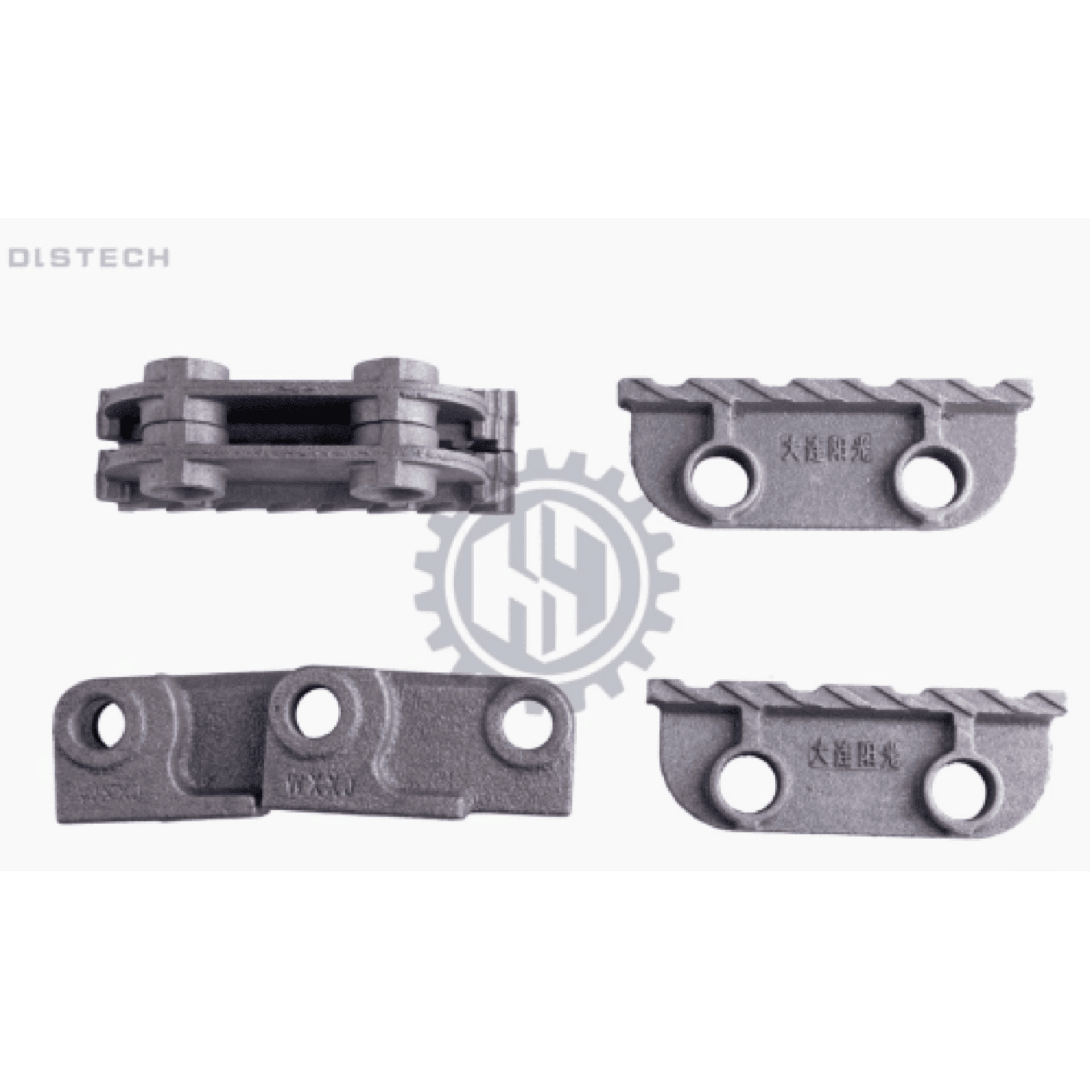
Design the grate properly: Match the grate’s shape, dimensions, and incline angle to the waste characteristics and combustion requirements so the waste moves smoothly and evenly across the grate, promoting full contact and mixing between the waste and air.
Keep the grate openings clear: Clean the grate openings regularly to prevent clogging, ensure good ventilation so the primary air can pass through the fuel bed, supply sufficient oxygen for combustion, and create favorable burning conditions.
Adjusting Combustion Parameters
Precisely control the feed rate and quantity: Set the waste feed rate and quantity based on the grate’s travel speed, the waste’s heating value, and the burning conditions, so the waste spreads evenly and stays in the furnace long enough to burn fully, avoiding incomplete combustion from over- or under-feeding.
Regulate the grate speed scientifically: Adjust the grate’s travel speed according to the waste’s burning progress and the in-furnace temperature distribution, so the waste is optimally handled through the drying, combustion, and burnout stages, raising overall combustion efficiency.
Optimize the air supply: Distribute the primary and secondary air flows and their volumes properly. Primary air mainly supplies the oxygen needed in the early stage of combustion so the waste lights and burns stably; secondary air intensifies the disturbance of the in-furnace gas flow, mixes the flue gas with air thoroughly, and extends the residence time of fly ash and its combustible content in the furnace. This further improves combustion efficiency while suppressing flame lift and reducing the formation of incomplete-combustion products.
Strengthening In-Furnace Disturbance and Mixing
Use suitable disturbance devices: Install reasonable in-furnace disturbance devices such as stirrers or pulsed air equipment so the waste is continually turned and mixed during combustion. This breaks up the piled waste, lets it contact the air fully, and enlarges the contact area, improving combustion efficiency.
Raising the Furnace Temperature
Optimize the furnace design: By properly designing the shape, size, and combustion mode of the furnace, optimize the waste’s flow path and residence time and improve temperature uniformity, so the waste burns fully in a high-temperature environment.
Strengthen insulation: Insulate the furnace well to reduce heat loss, lower the flue-gas temperature, and raise thermal efficiency. This also helps maintain a high in-furnace temperature that promotes complete combustion.
Improving the Thermal System
Optimize the thermal-system design: Optimize the entire thermal system, including piping layout and heat-exchanger selection, to improve the transfer and conversion of heat so the heat released by combustion is more effectively turned into steam or other usable energy, improving the overall benefit of combustion efficiency.
Raise the boiler outlet steam parameters: Within the limits of the equipment, suitably increase the outlet steam pressure and temperature to improve thermal efficiency, while keeping in mind the equipment’s pressure rating and added cost.
Automated Control and Monitoring
Install an advanced control system: Use sophisticated automated control to monitor the temperature, pressure, flow, and oxygen content in real time, and automatically adjust the feed rate, grate speed, and air supply according to a preset combustion model and control strategy. This delivers precise combustion control, improves efficiency and stability, and reduces the errors and instability that come with manual intervention.
Set up a fault-diagnosis and early-warning mechanism: Use data analysis and fault-diagnosis techniques to detect abnormal conditions and potential faults promptly, issue early warnings, and take timely corrective action so problems do not worsen, affecting combustion efficiency and safe equipment operation.
|  |
|  |
|  |
|  |
|
|—|—|—|—|
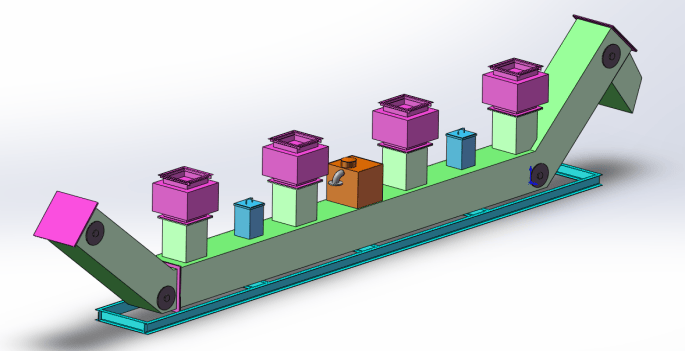
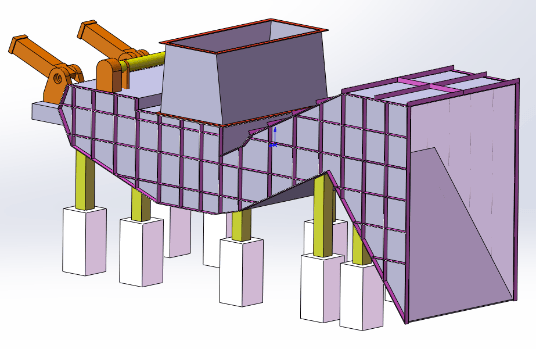
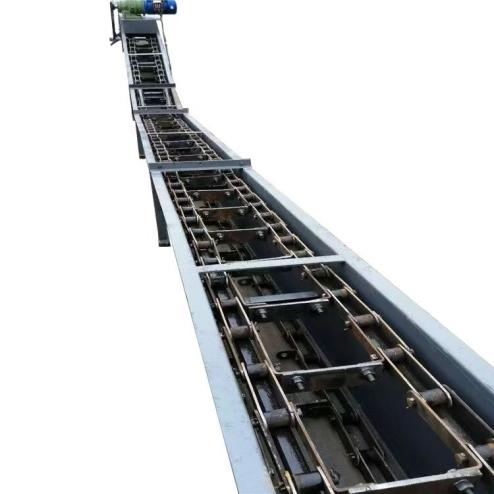
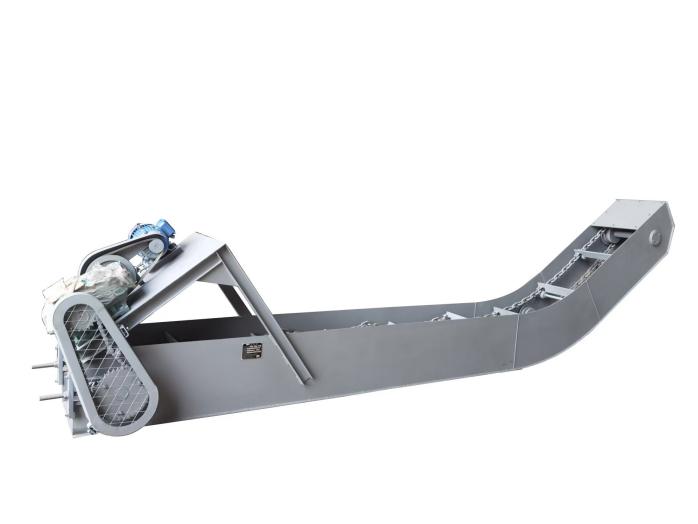
Ash conveyor and slag remover
Process Features
Simple structure, easy operation, and convenient maintenance;
The grate is resistant to high temperature, corrosion, and wear, with a low replacement rate;
Even air distribution across the grate and uniform waste combustion;
Thorough waste incineration with a loss on ignition of ≤5%;
Modular equipment that is easy to install with a short construction period;
Fully automated equipment.