
Features and Types of Small Rural Waste Incinerators
A detailed introduction to small rural waste incinerators:
Features
Flexibility and adaptability: Rural areas produce relatively little waste, and it is scattered over a wide area. Small waste incinerators can be flexibly configured and customized according to each village’s geography, population, and waste output, adapting well to the diverse needs of rural areas.
Low construction and operating costs: Compared with large waste-to-energy plants, small rural incinerators do not require large-scale infrastructure investment or complex construction; they take up little space and have relatively low equipment costs. In addition, they do not need costly auxiliary fuels such as support fuel during operation, greatly lowering operating costs.
Simple operation and maintenance: Small incinerators have a relatively simple structure and easy-to-master operating procedures. After brief training, local rural staff can operate and routinely maintain them, reducing reliance on specialized technicians.
Good environmental performance: Equipped with advanced exhaust-treatment devices such as flue-gas cleaning systems, they effectively treat the harmful gases and particulates produced during incineration, bringing exhaust emissions within national and local standards and reducing pollution of the rural environment.
Main Types
Pyrolysis-gasification small incinerators: Using pyrolysis-gasification technology, the waste undergoes pyrolysis in an oxygen-poor or low-oxygen environment to produce combustible gas, solid carbon, and other substances. These combustible gases burn further in a secondary combustion chamber, achieving harmless waste treatment and energy recovery. The advantages of this type are high combustion efficiency, fewer harmful gases, and the ability to handle the complex composition and high moisture content of rural waste.
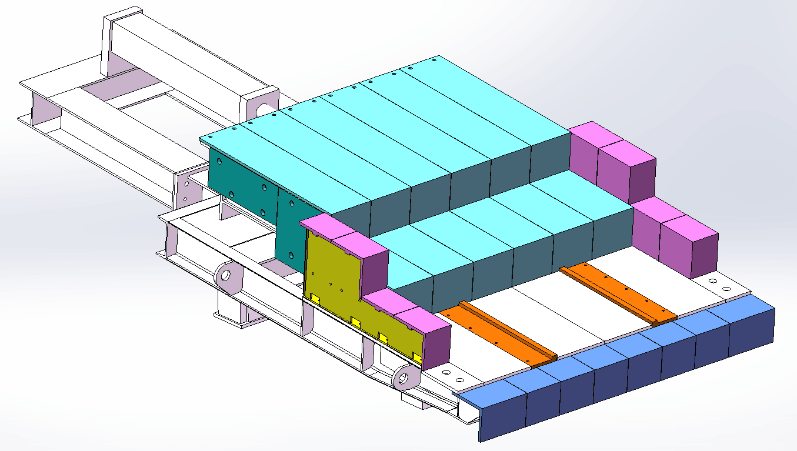
Fixed-bed small incinerators: The waste burns on a fixed bed, with air entering from below or from the side, so the waste is gradually dried, burned, and burned out. This type has a simple structure and is easy to operate, and suits relatively regular-shaped rural waste with a higher heating value, such as biomass like crop straw and branches.
Rotary-kiln small incinerators: The main body is a rotating cylinder. Waste enters at one end and is continually tumbled as the cylinder rotates, coming into full contact with air and burning in the process. These can handle waste of all shapes, sizes, and properties, adapt well to rural waste, and burn effectively, but the equipment cost is relatively high.