
Chain Grate vs. Cross-Beam Grate: An Analysis of Pros and Cons
Cross-Beam Grate
(1) Advantages
Strong load-bearing capacity: A cross-beam grate uses horizontally arranged cross beams as its main support structure, with the grate bars mounted on the beams. This structural design gives it outstanding load-bearing capacity, letting it easily handle fuels with large lump sizes and high ash content, and it performs especially well with low-grade fuels or industrial waste. For example, in boilers that mainly burn coal gangue or refuse-derived fuel, the cross-beam grate runs stably and is not easily damaged by the heavy pressure and impact of the fuel, ensuring the boiler works normally.
Even, efficient ventilation: The gaps between the cross beams form independent ventilation passages through which air is distributed evenly to every zone of the grate and fully contacts the fuel. This even ventilation helps raise combustion efficiency and reduce losses from incomplete combustion, so the fuel burns more completely in the furnace and releases more heat, improving the boiler’s thermal efficiency. At the same time, even ventilation reduces the emission of pollutants such as nitrogen oxides caused by local high temperatures, benefiting the environment.
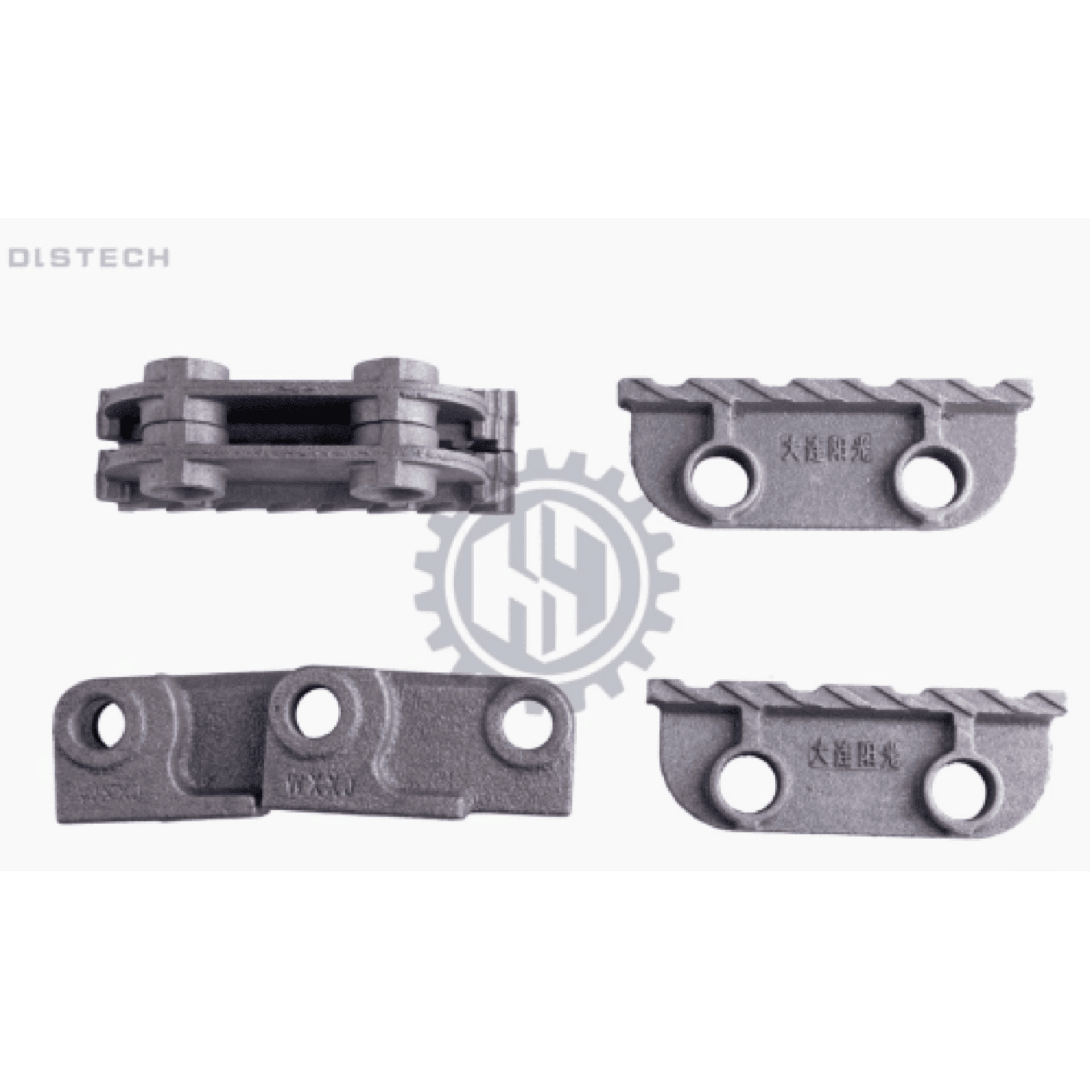
Securely fixed grate bars: The grate bars are fixed to the cross beams by reliable means, more securely than the way chain-grate bars are connected. During combustion they effectively resist the impact and vibration of the fuel, reducing the risk of the bars coming loose or shifting. This ensures the grate’s stability and integrity, cuts the number of shutdowns for repairs caused by grate faults, and improves the reliability and continuity of boiler operation.
(2) Disadvantages
Complex structure and high cost: The structure of a cross-beam grate is relatively complex, involving the precise design and manufacture of many components such as the cross beams, grate bars, and ventilation system, which greatly raises the manufacturing cost. At the same time, the complex structure makes installation and commissioning harder and calls for specialized technical staff. During later maintenance, if a component fails, repairs are more complicated and costly, placing higher demands on the enterprise’s technical capability and capital investment.
High installation and maintenance requirements: Because of the special nature of its structure, the cross-beam grate has extremely strict installation-accuracy requirements. During installation, the levelness and verticality of the cross beams and the positions of the grate bars must be precisely controlled; otherwise the grate will not run properly, leading to uneven ventilation, accelerated bar wear, and similar problems. On the maintenance side, the cross beams, grate bars, and ventilation system need regular, thorough inspection and upkeep to detect and resolve potential problems in time. This requires enterprises to have dedicated maintenance staff and advanced testing equipment, adding to the difficulty and cost of maintenance management.
Relatively narrow fuel adaptability: Although the cross-beam grate can handle some special fuels, its fuel adaptability is not as broad as a chain grate’s by comparison. For fuels with small particle sizes and irregular shapes, the cross-beam grate’s combustion results may be unsatisfactory, with problems such as uneven fuel distribution on the grate and restricted ventilation that hurt combustion efficiency and normal boiler operation. When choosing fuel, therefore, one must carefully consider how well the fuel’s characteristics match the cross-beam grate.
In summary, both chain grates and cross-beam grates have their own strengths and weaknesses in industrial boiler applications. When actually choosing, enterprises need to weigh fuel characteristics, boiler operating requirements, cost budgets, maintenance capability, and other factors, balancing the pros and cons to determine the grate type that best suits their needs, so as to achieve efficient, stable, and economical boiler operation while meeting environmental requirements.