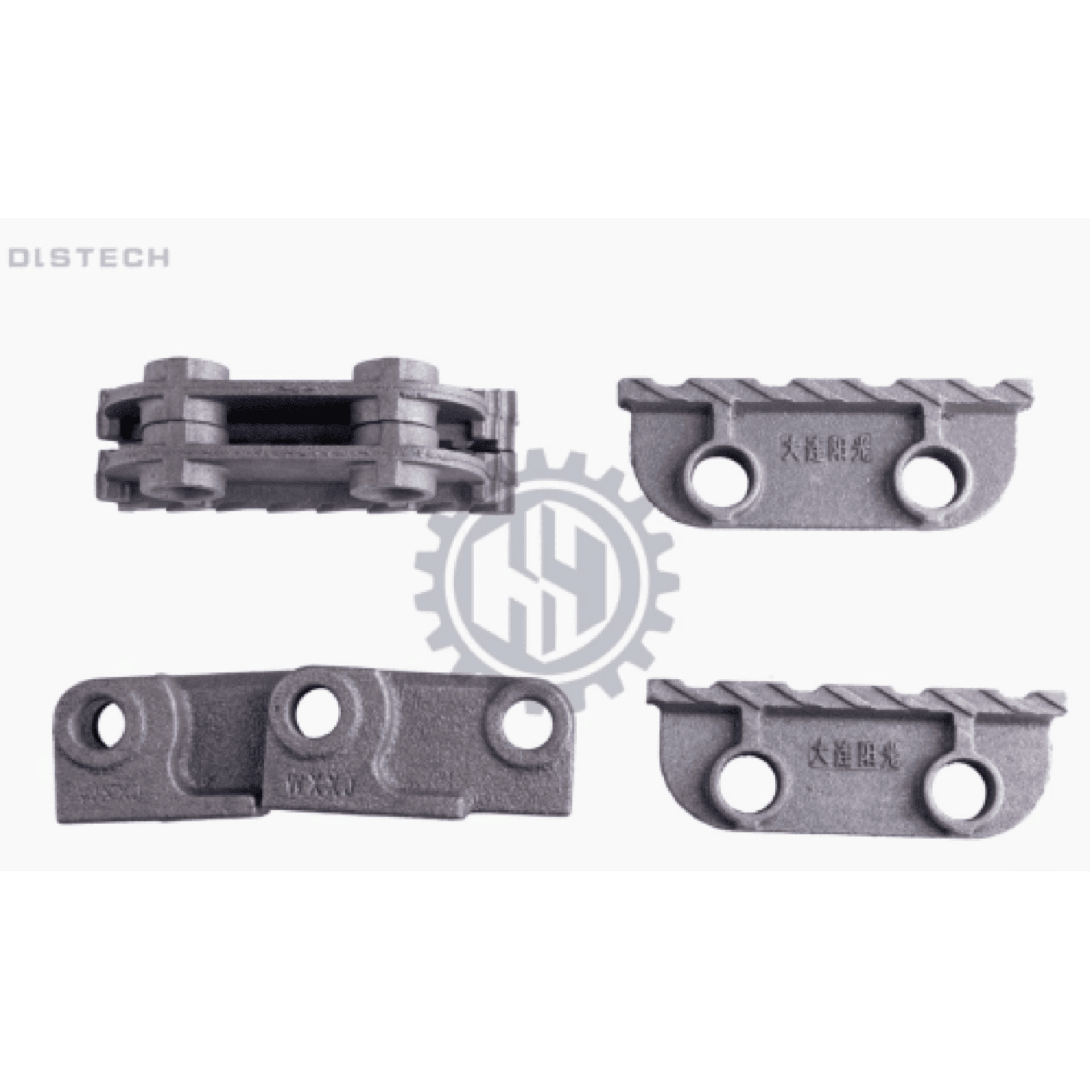

Cost Comparison of Cast Iron vs. Cast Steel for Grates
Cost Comparison
Cast iron:
Raw-material cost: The main raw material for cast iron is pig iron and the like, which is relatively inexpensive and widely available, giving it a certain advantage in raw-material procurement cost.
Manufacturing and processing cost: The casting process is relatively simple and does not impose particularly demanding requirements on casting equipment and technique. Downstream processing is also cheaper thanks to cast iron’s good machinability, so overall manufacturing cost is relatively low. This is one reason it is widely used in applications where performance requirements are not extremely demanding.
Cast steel:
Raw-material cost: Cast steel requires higher-quality steel as its raw material, and some grades need alloying elements added, which are themselves expensive. As a result, cast steel’s raw-material cost is usually considerably higher than cast iron’s.
Manufacturing and processing cost: Because the casting process for cast steel is complex and places strict requirements on molds, melting equipment, and pouring technique, and because its higher hardness makes downstream machining somewhat harder, the overall manufacturing and processing cost is higher. Even so, given its high-performance characteristics, its cost-effectiveness remains reasonable in suitable applications.
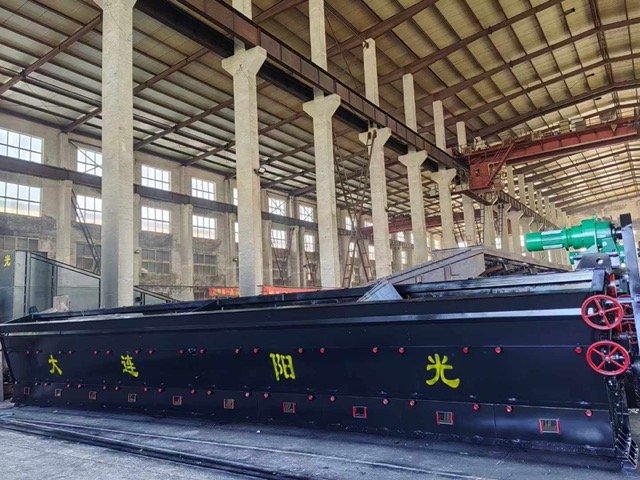
In short, choosing between cast iron and cast steel for a grate calls for weighing the boiler’s scale, working conditions, cost, and other factors, so that the grate delivers the best performance and economic results in its particular application.