
Why reciprocating grates are the preferred choice for burning poor-quality fuels
Among industrial combustion equipment, reciprocating grates are highly favored for their unique advantage in burning poor-quality fuels, and the reciprocating grates produced by our partner factory take this advantage to the extreme, becoming the equipment of first choice for many enterprises that process high-moisture, high-ash, low-calorific-value fuels. Behind this advantage lies our partner factory’s deep understanding and precise optimization of reciprocating grate technology.
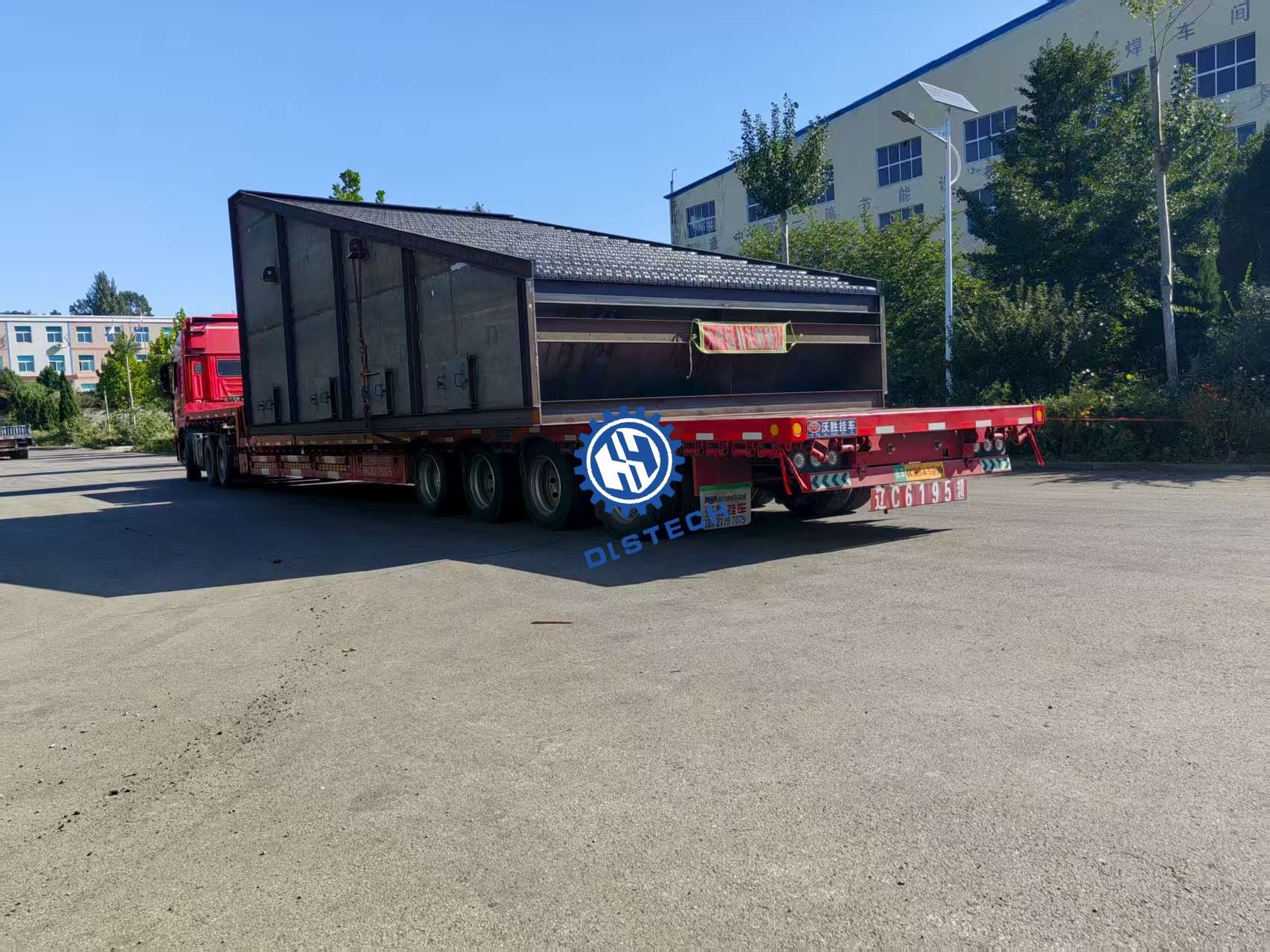
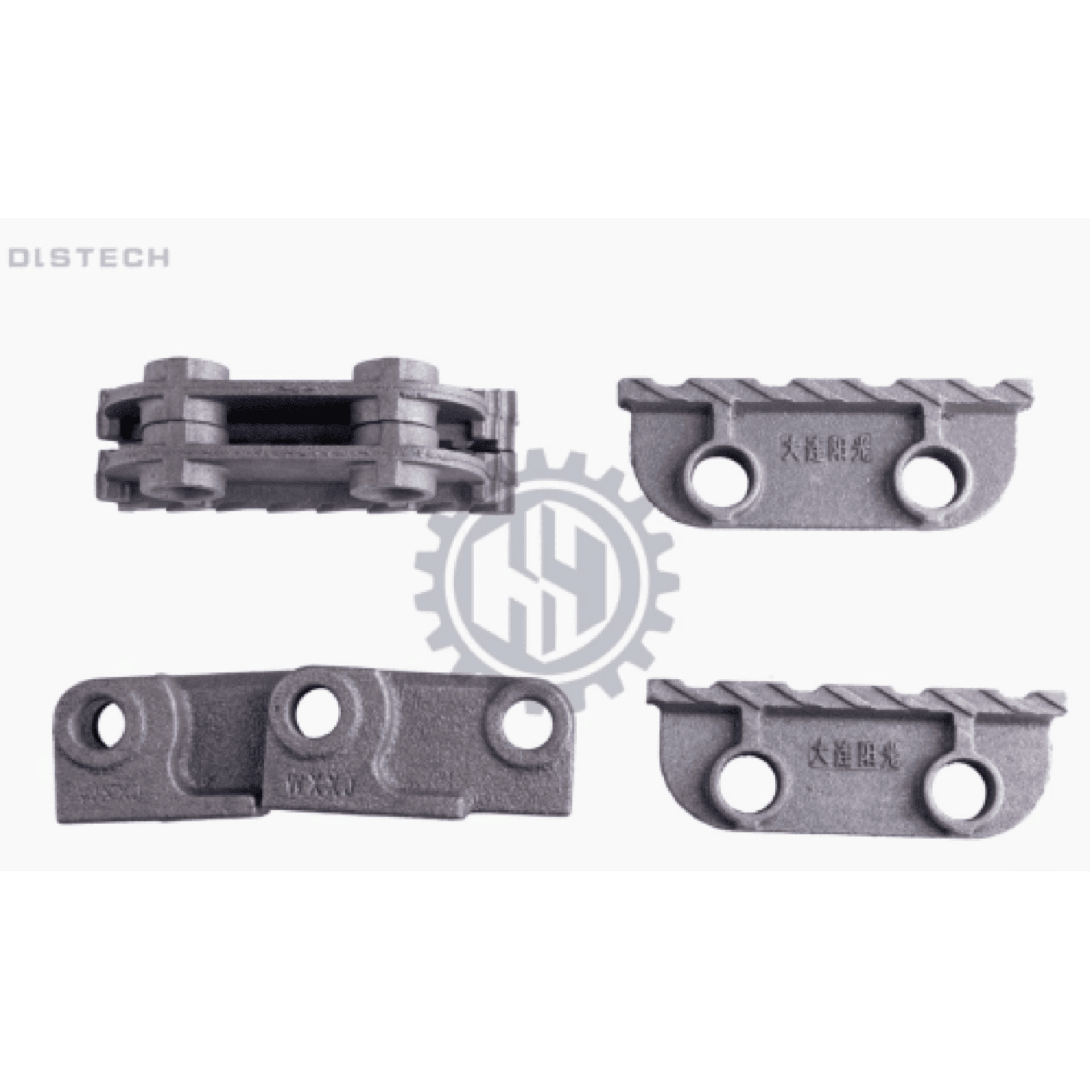
The core advantage of the reciprocating grate stems from its unique structural design and working principle. The inclined reciprocating grate produced by our partner factory is formed by moving grate bars and fixed grate bars alternately stacked into a stepped grate surface, and through the reciprocating movement of the moving grate it pushes and tumbles the coal. This mode of movement brings fresh coal into full contact with the already-burning coal, greatly improving the ignition conditions. At the same time, during the pushing process it squeezes and breaks up coke lumps and ash crusts, achieving automatic fire stirring, and effectively solving the problem of incomplete combustion of poor-quality fuel.
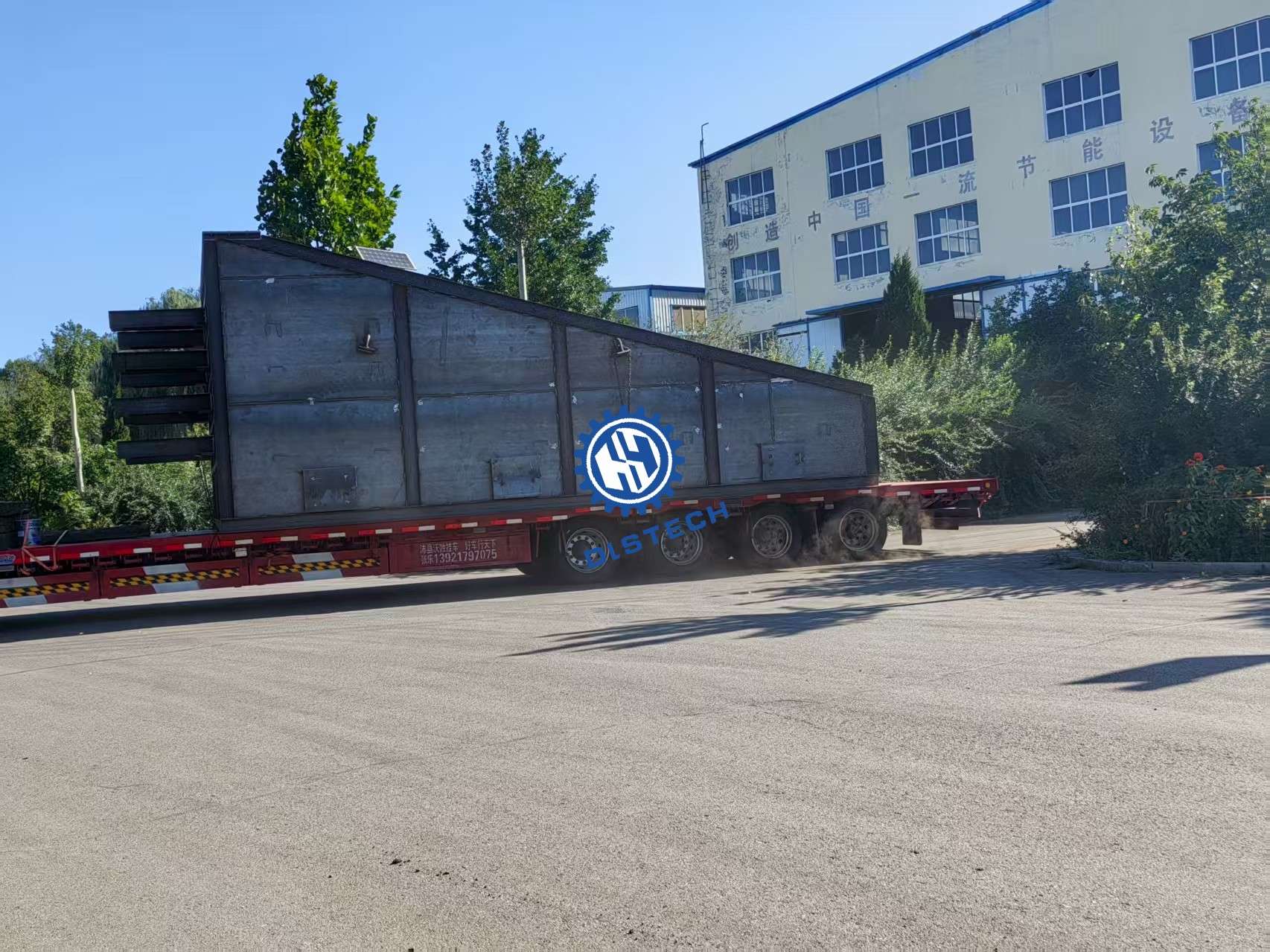
To further adapt to the combustion requirements of poor-quality fuel, the R&D team of our partner factory has precisely tuned the grate bar structure, the ventilation cross-section ratio and the movement parameters. The reciprocating grates it produces keep the ventilation cross-section ratio within the ideal range of 7%–12%, with the stroke of the moving grate adjustable from 70 to 120 mm and the reciprocating frequency steplessly variable from 1 to 5 times per minute, ensuring that fuels of different qualities can all burn fully. Combined with the heat-resistant grate bars produced on the Danish DISA casting line introduced by the company, they can maintain stable performance even in high-temperature combustion environments, greatly extending the service life of the equipment.