
How the grate material affects its durability
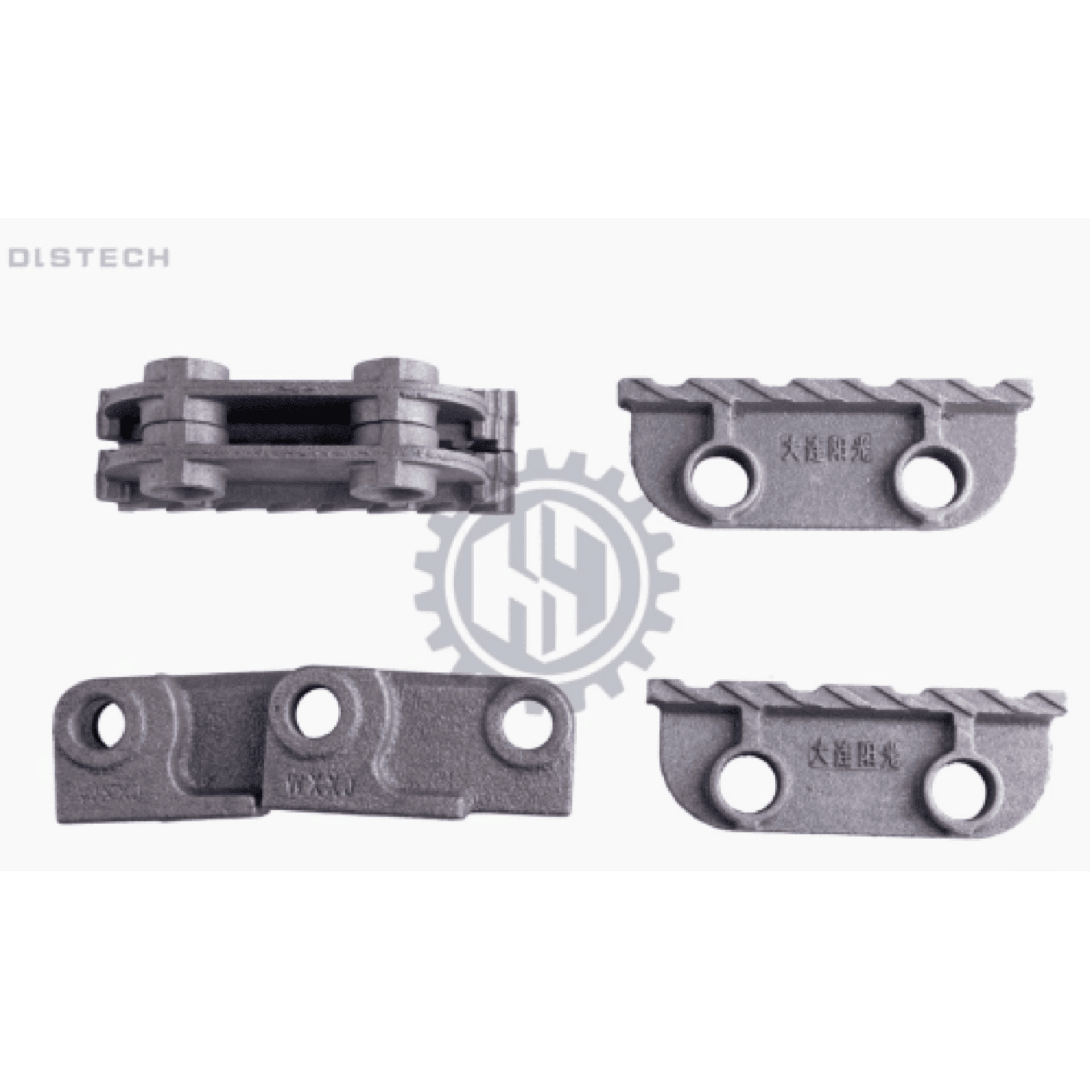
Analysis of how the grate material affects durability
- High-temperature stability
Heat-resistant alloys and high-temperature steels
Grates made of heat-resistant steels (such as ductile iron and alloy steel) or high-temperature steel can operate stably in the 700–900°C range, significantly reducing the risk of high-temperature creep and thermal fatigue.
High-temperature alloys (such as alloys containing nickel and chromium) can withstand extreme temperature swings, avoiding the cracking or deformation caused by uneven thermal expansion.
Ceramic materials
Ceramic grates have excellent high-temperature resistance (up to more than 1200°C), but their thermal-shock resistance is relatively weak, making them suitable for applications where the temperature stays constant with no drastic changes.
- Wear resistance and mechanical strength
Stainless steel and alloy materials
Stainless steel (such as 316L) and high-strength alloy steel offer high surface hardness (HRC≥50), reducing the wear caused by friction from fuel particles and extending the service life of the grate bars.
Optimized structural designs (such as stepped grate bars) combined with highly wear-resistant materials can distribute localized stress and avoid the risk of fracture.
Refractory composite materials
High-temperature bonded refractory materials (such as silicon carbide composites) improve wear resistance by increasing surface density, making them suitable for high-ash fuels.
- Corrosion resistance
Protection against sulfur and acidic gases
Chloride ions and oxidizing environments
In applications using chlorine-containing fuels (such as biomass), austenitic stainless steel or ceramic materials can effectively resist chloride-ion penetration and oxidative corrosion.
- Material selection and applicable scenarios
Material type | Applicable scenario | Durability advantage Heat-resistant alloy steel | Coal-fired boilers, high-load industrial furnaces | Strong high-temperature stability, good overall value for money Stainless steel | Gas/biomass boilers, corrosive environments | Excellent corrosion resistance, low maintenance cost Ceramic | High-temperature clean combustion, laboratory or special industrial scenarios | Extremely high temperature limit, high purity requirements
- Relationship between maintenance and service life
Even with premium materials, the following measures are still needed to maximize durability:
Regularly clean out ash and slag to avoid the buildup of impurities that accelerates wear;
Control temperature swings in the furnace and avoid prolonged operation above rated temperature;
Adjust the combustion parameters according to the fuel characteristics to reduce the formation of corrosive gases.
Summary
The grate material directly affects its durability through three core dimensions: high-temperature stability, wear resistance, and corrosion resistance. Selection should take into account the fuel type (sulfur/ash content), the temperature range, and the operating environment, and should be supported by a sound maintenance strategy to balance service life against economic benefit.