
Key Points in the Manufacturing and Installation of Cross-beam Grates
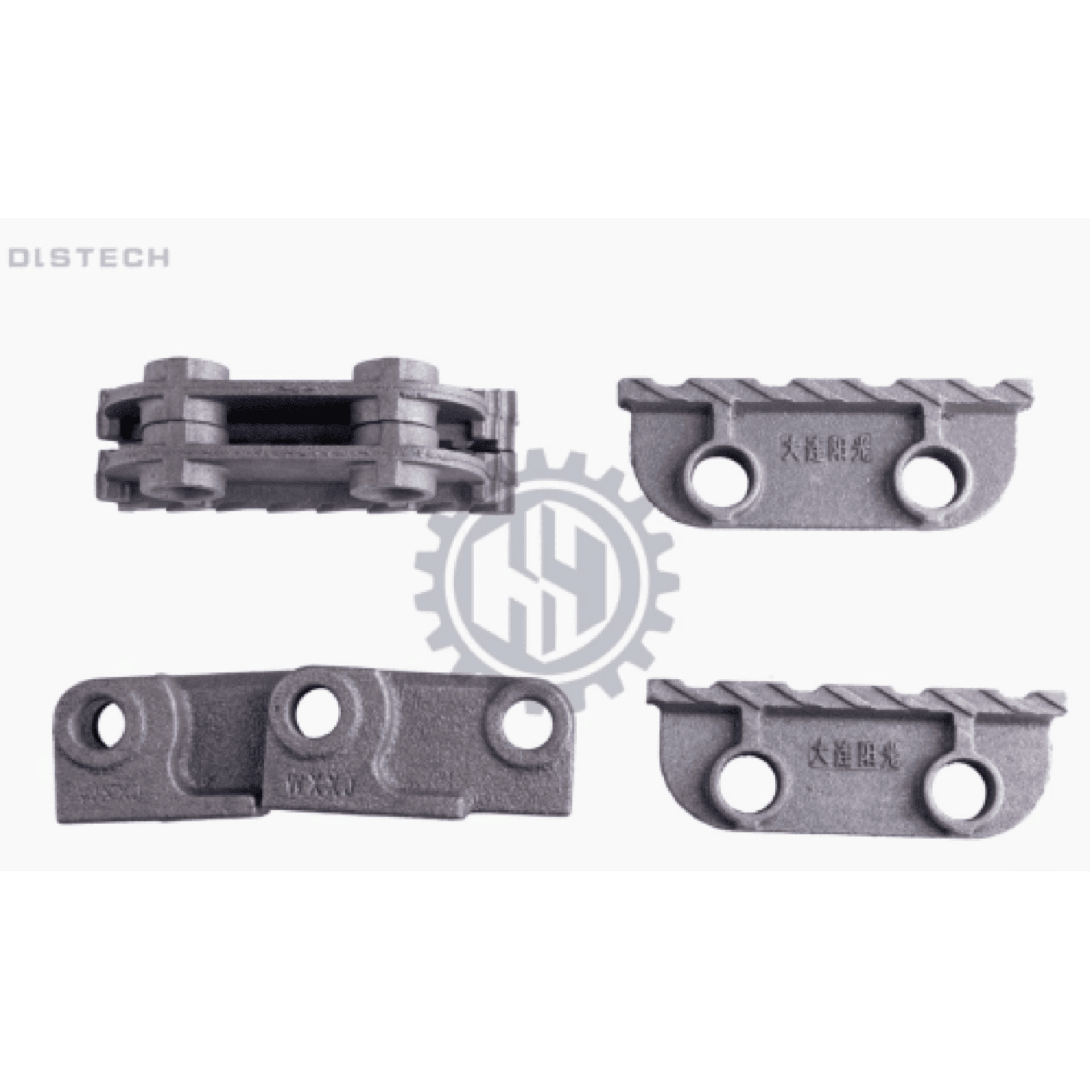
The cross-beam grate is a common combustion device in the industrial field, and the key points of its manufacturing and installation are crucial. In this article, we take an in-depth look at the manufacturing process of cross-beam grates and the key points to pay attention to during installation. Through comprehensive analysis and guidance, we hope to help readers better understand and apply cross-beam grates, ensuring they run efficiently and stably. When manufacturing a cross-beam grate, the first consideration is material selection. Cross-beam grates are usually made of metal materials that resist high temperature and corrosion, to ensure stability and durability in high-temperature and harsh environments. At the same time, the dimensional accuracy of each component must be strictly controlled during manufacturing to ensure a perfect fit during assembly and avoid problems such as air and gas leakage. In addition, the installation of the cross-beam grate is also a crucial step. During installation, first ensure that the connection between the grate and the combustion equipment is firm and reliable, to avoid safety hazards caused by looseness. At the same time, installation personnel need to make adjustments according to the actual on-site conditions, ensuring that the levelness and verticality of the grate meet the requirements so that it runs normally and burns efficiently.
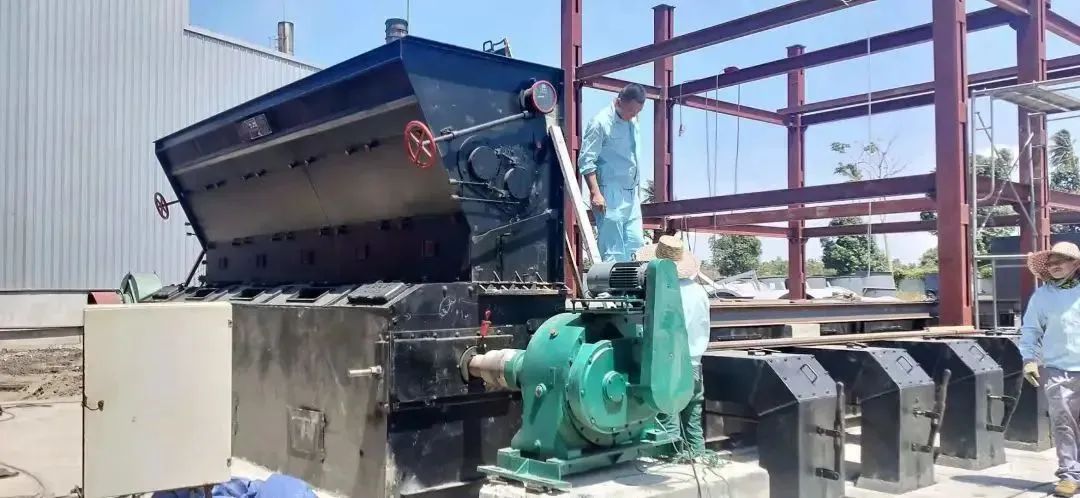
In addition, during the installation of the cross-beam grate, attention should also be paid to ventilation. A sound ventilation design can effectively improve the grate’s combustion efficiency, reduce energy waste, and at the same time extend the grate’s service life. Therefore, installation personnel should fully consider the ventilation requirements during installation to ensure the grate runs normally and safely. In summary, the key points in the manufacturing and installation of cross-beam grates include material selection, dimensional accuracy control, firm and reliable connections, adjustment of levelness and verticality, and ventilation design. Only when the grate is manufactured and installed in strict accordance with these key points can it achieve its best effect and provide stable and reliable combustion support for industrial production.